Powershell Ise For Mac Os Sierra
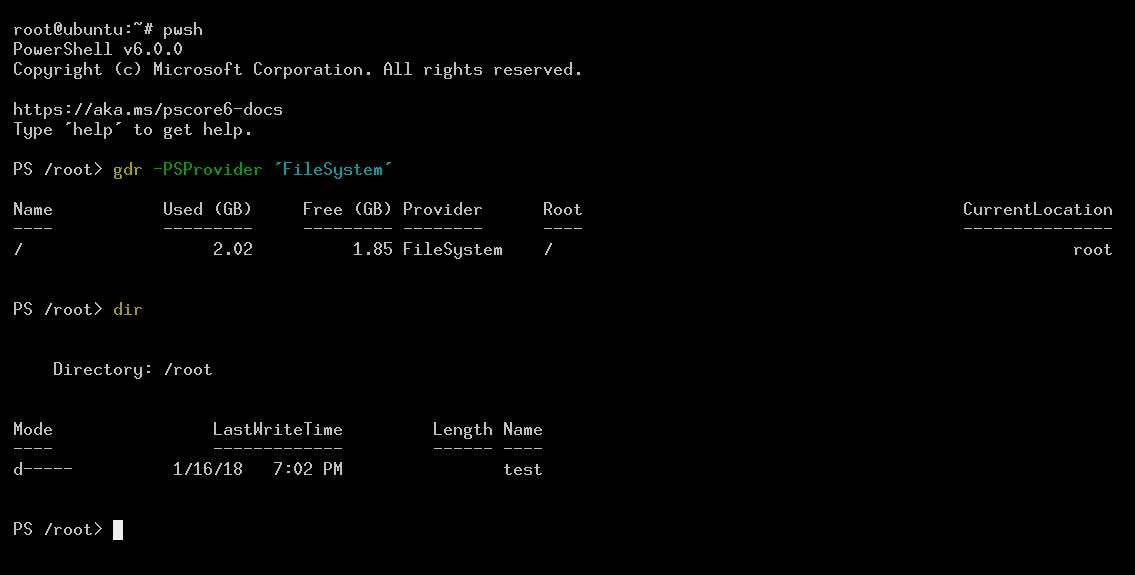
Wine colored jisson case for mac pro 13 retina. Microsoft announced on Thursday that it is, its system administration, scripting, and configuration management tool that has been a default part of Windows for several years. The company says it will soon release PowerShell on Mac and Linux platforms. PCWorld reports: The company is also releasing alpha versions of PowerShell for Linux (specifically Ubuntu, Centos and Redhat) and Mac OS X. A new PowerShell GitHub page gives people the ability to download binaries of the software, as well as access to the app's source code.
It's a common complaint that in recent versions of Mac OS 10.x, browsing Windows-hosted SMB shares is incredibly slow. Not every solution works, but here are 3 Fix slow access of Windows SMB share from Mac OS - Windows Server - Spiceworks.
PowerShell on Linux and Mac will let people who have already built proficiency with Microsoft's scripting language take those skills and bring them to new platforms. Meanwhile, people who are used to working on those platforms will have access to a new and very powerful tool for getting work done. It's part of Microsoft's ongoing moves to open up products that the company has previously kept locked to platforms that it owned. The company's open sourcing of its.NET programming frameworks in 2014 paved the way for this launch, by making the building blocks of PowerShell available on Linux and OS X. By making PowerShell available on Linux, Microsoft has taken the skills of Windows administrators who are already used to the software, and made them more marketable.
It has also made it possible for hardcore Linux users to get access to an additional set of tools that they can use to manage a variety of systems. This typically works when the MS product isn't being released on multiple platforms and open sourced.
Obviously MS could always build closed source extensions, but there'd be no point. MS doesn't want to stay in the desktop OS market and with the failure of its mobile OS and their success with Office365, it seems like MS will start moving out of providing consumer level operating systems in favor of hosted solutions that enable them to charge reoccuring subscription fees. As consumers buy less and less 'com. Umm, desktop systems and apps may not be the growth business they once were, but they still make Microsoft billions. It's not that they want out of those businesses - it's that they're trying to keep up with the overall industry move to the cloud.
Not that it would be a bad idea for Microsoft to start basing their cloud operations on Linux - assuming they could get more out of their hardware that way. Maybe they really are thinking along those lines, and want their software to work there - for their own purposes. That'd be pretty forward-looking. Of course, Occam's Razor would favor locking admins into their Windows-specific toolset as the explanation. I think MS is slowly abdicating development to *nix/FOSS so they can get it off their plate. They don't want to develop standalone software products anymore, they want to move everything to SaaS and more or less follow IBM's footsteps. But it'll take at least a decade, especially to get their enterprise customers (who are the only ones MS understands and cares about) on board for that transition.
I bet in a few years we'll see OEMs actually be more allowed to preinstall other OSes. Well, yes, but not in the way you think. This isn't about Microsoft trying to 'conquer' Linux. Increasingly Microsoft is less interested in maintaining operating system dominance. The OS is not a growth market, and not one that people really care too much about; they use whatever their computer (or device) comes with. Instead, Microsoft is betting big on becoming an OS-agnostic software-as-a-service company.
That isn't to say that they are entirely abandoning Windows (and knowing Microsoft's legendary inter-departmental rivalries, you can bet the Windows team is fighting the rest of the company to keep their product relevant) but long-term I wouldn't be surprised to see all of Microsoft's products available on Linux, MacOS, IOS, Android and any other OS they can reach. It - not Windows dominance - is where Microsoft believes the company's future is. While I'm not a huge fan of powershell, I've spent a considerable amount of time coding in it because there's simply no point to using stupid utils like puppet and chef when 90% of what you do is call powershell anyway.
After all, install Windows. Install Hyper-V. So why the hell would I bother with something else when I have to use it anyway? Now that I've figured out object orient programming, exception handling, type def. After 20 years of MS trying to kill the shell, they relented and decided the Windows platform needed one. What on Earth gave you the impression that Microsoft had been trying to kill the shell?
For over 20 years they have made improvements to scripting from COMMAND.COM to CMD.EXE when we all moved to Windows NT. They added the Windows Scripting Host in 1999 with a large number of languages supported. Ten years ago they came out with PowerShell, which they have implemented as a central component so that some of the configuration programs are simply just a front-end to PowerShell (to teach people the scripting way. It is SO 'systemd'. More of the binary is better bullshit. Hint: computers work in binary. Computers are fast, users are slow.