Deleted Boot File For Windows 10 On Mac In Parallel
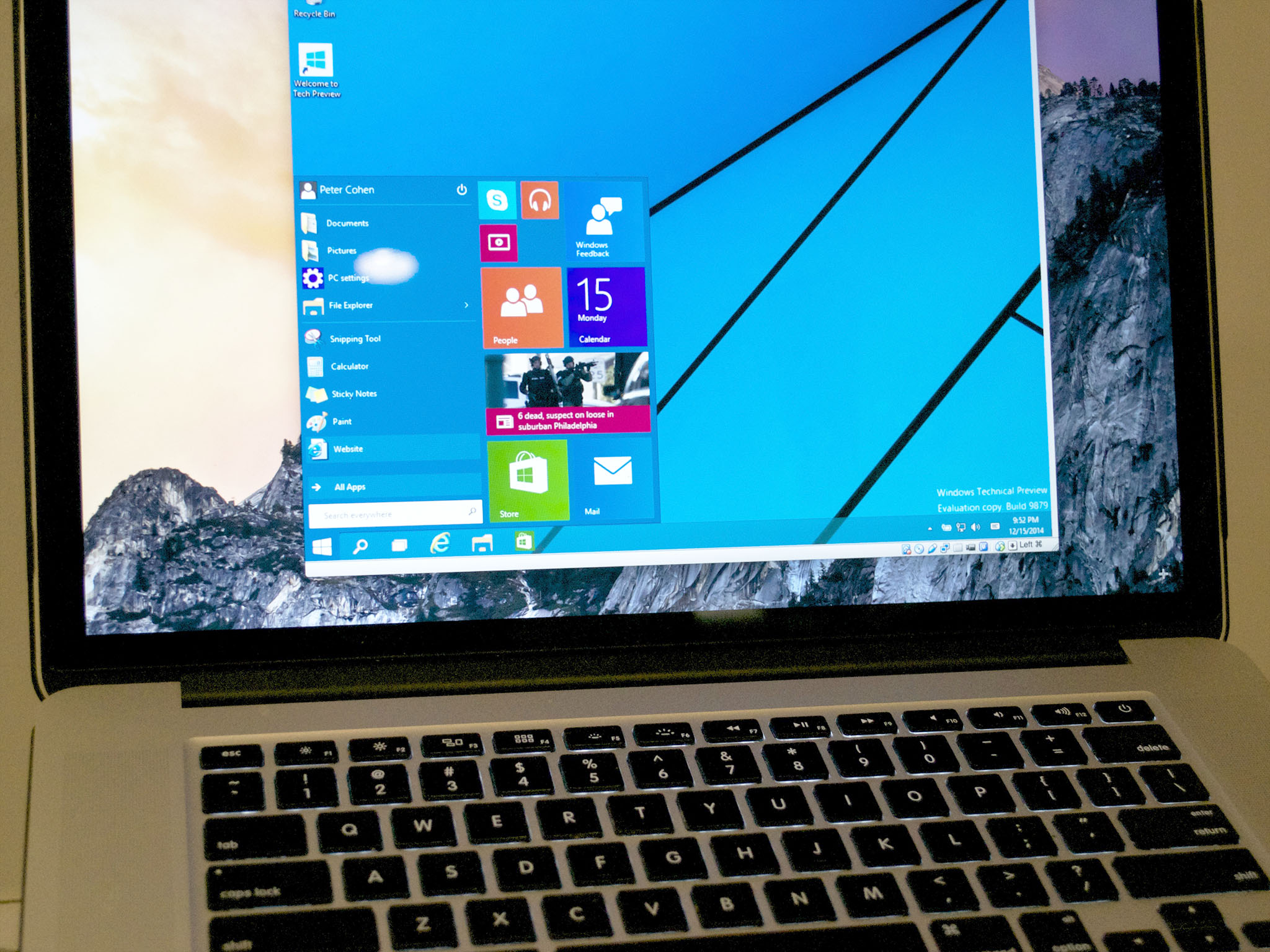
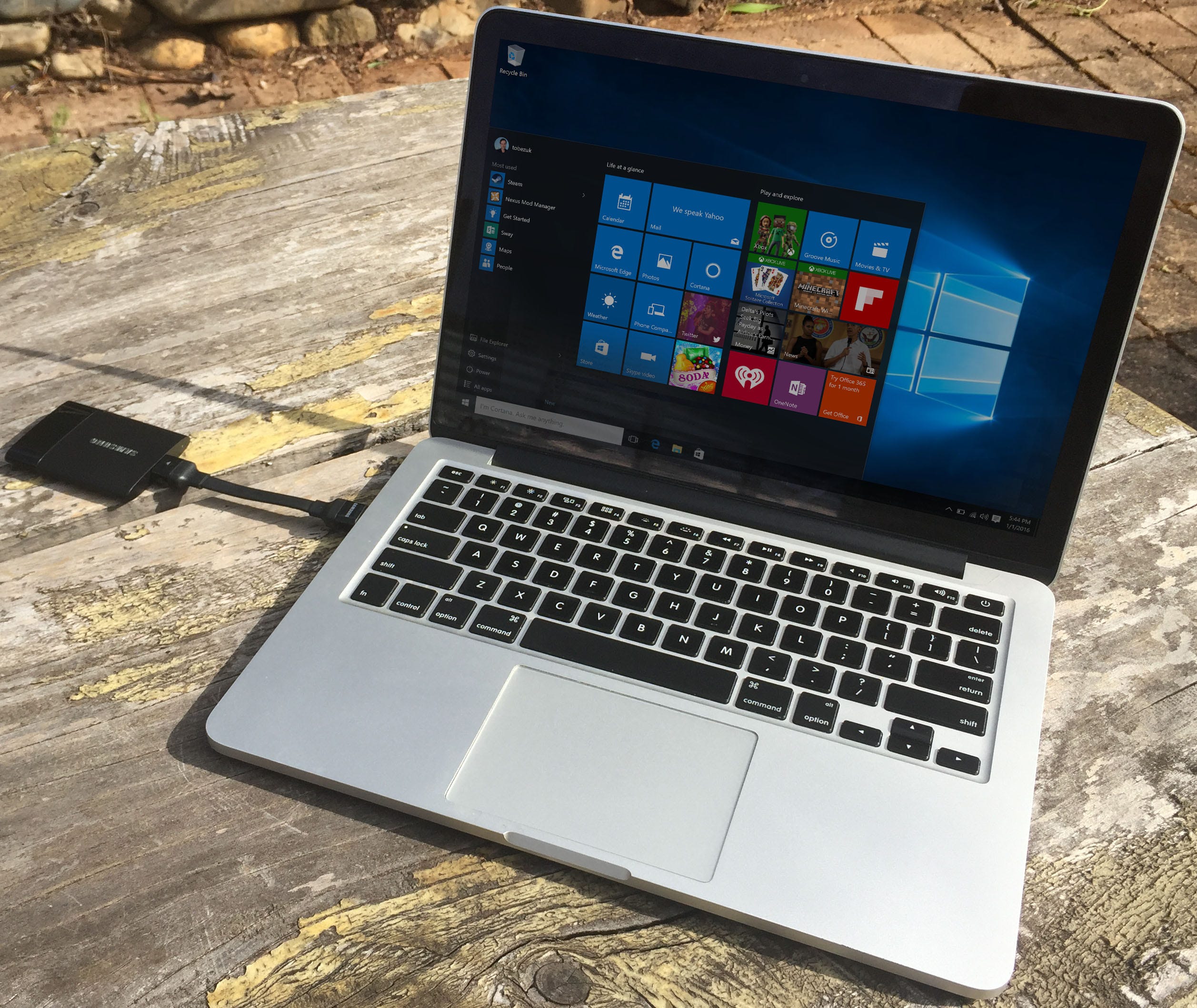
Today I installed Windows 10, version 1607, on my MacBook Pro (Retina 15in Late 2013). Before this I had Bootcamp setup with Win7. So, I started out by deleting the old Win7 Bootcamp Partition using the Bootcamp Assistant on Mac and then created a new partition and went on to install Windows 10. Everything seems to have gone smoothly: Partitioning, Installation of Windows 10, and the Apple Bootcamp drivers. However, the Mac Partition does not show up in Windows File Explorer. I found this related thread I have run the commands with the following results: It looks like my MBP is not using CoreStorage. FileVault is deactivated.
And on my prior Windows 7 Bootcamp partition (that I deleted before setting up a new one for Windows 10) the Mac Partition was showing up correctly. Steam profile customizer. Here's a pictures of Windows 10 Disk Management: Does anyone know what's going on here? Apple HFS+ drivers DO work after 1607 Anniversary Update, they just have problems mounting the drives. You can mount them manually with the risks associated with it. (Personally, I have encountered exactly zero bugs/problems in several weeks of hard usage and testing on 3 computers, so I started recommending my method on the net. I am writing this warning anyway, as mounting a partition forcibly may still have unforeseen consequences I have yet to face.) Firstly, make sure you have drivers from 6.0 installed, 6.1 does not have HFS+ drivers. You can reinstall to be sure, or • Go to Windows system32 drivers check if AppleHFS.sys and AppleMNT.sys is there.
Support Communities / Windows Software / Boot Camp. When I boot into the Mac and try to delete some files, they won't delete. If I try to copy my data from the windows partiton to a backup disk, some of them copy, but others do not (it says they can't copy as they are in use. (10.9.2), Win 8.1 Bootcamp + Parallels Posted on May 10, 2014. Sep 05, 2017 Parallels / Bootcamp upgrade to Windows 10? 10 from the parallels and when you want to switch it back to Boot camp, you have to delete the Parallels and then use Windows 10 in the Boot camp. On the second Mac, Windows 8.1 was installed as a virtual machine. Upgrade failed because the Parallels display adapter was to supported.
• Run regedit, go check if 'AppleHFS' and 'AppleMNT' keys exist in 'HKEY_LOCAL_MACHINE SYSTEM CurrentControlSet services '; each should also have some string and dword values in it. Personally, I would extract these two.sys files from a 6.0 install, Google on how to install them via registry tweaks, and make the habit of always using the most up-to-date bootcamp drivers. Apart from bug fixing and optimisations, new Macs a few years into future will just not function properly on 6.0 drivers.
Reboot after installing your Apple HFS drivers. Nothing will show up on 1607 after reboot, but I would still feel better to install these drivers before we try and mount them. Secondly, make sure you are not using CoreStorage.
I am reasonably certain 'read only' HFS driver can't do any harm, but it's better to be safe than sorry. If you are good to go, you have two options: Option #1: mount your bootcamp partition via DOS Devices registry edit: • Run regedit, navigate to 'HKEY_LOCAL_MACHINE/system/CurrentControlSet/Control/Session Manager/DOS Devices/' • Right click > new > add string • Enter your drive letter by adding ':' In 'data' type ' Device HarddiskVolume#', where # will be the volume number of your partition as it would be detected in MS-DOS. In your case, it SHOULD be 2, as it is the 2nd partition of disk0. (In MY computer, disk0 has 1 partition, my macOS partition is 2nd one on disk1, so MY partition number is 3, just count your partitions starting with 1.) Your registry entry should (provided nothing is changed in 4 months you posted this) show 'D:', 'REG_SZ' and ' Device HarddiskVolume2' for name, type and data respectively (assuming D: is the drive letter you want for your macOS partition). • Never use letter C: or any other drive letter that may contradict with your Windows installation, as this may render your Windows unbootable. (Or may not, it's just a matter of luck whether Windows chooses to mount DOS devices first, or it's own disk management.) It is (probably) safe to do trial and error on volume #, it won't break anything even if you accidentally select your Windows partition, it will just mount it twice with different letters. • Reboot and your macOS partition should be there.